
Work With Me
Organizations bring me in for the implementation: working sessions with staff, guidance on AI adoption decisions, and talks that put the research in front of your community.
Connected Classroom · Work With Me
Three ways in, one conversation
I work with schools, districts, universities and organizations deciding what to do about AI while children are still forming the capacities it stands to replace.
Which systems to adopt and on what terms. What has to stay protected in how students learn. How to prepare the teachers who carry the decision into classrooms. I have worked with or presented to over 3,000 educators and parents trying to understand what AI is doing to children, and I still teach elementary school.
The Algorithmic Mind, Psychology Today, 400,000 readers
Built to Think, MIT Press, 2027
Director, The Cognitive Privacy Project
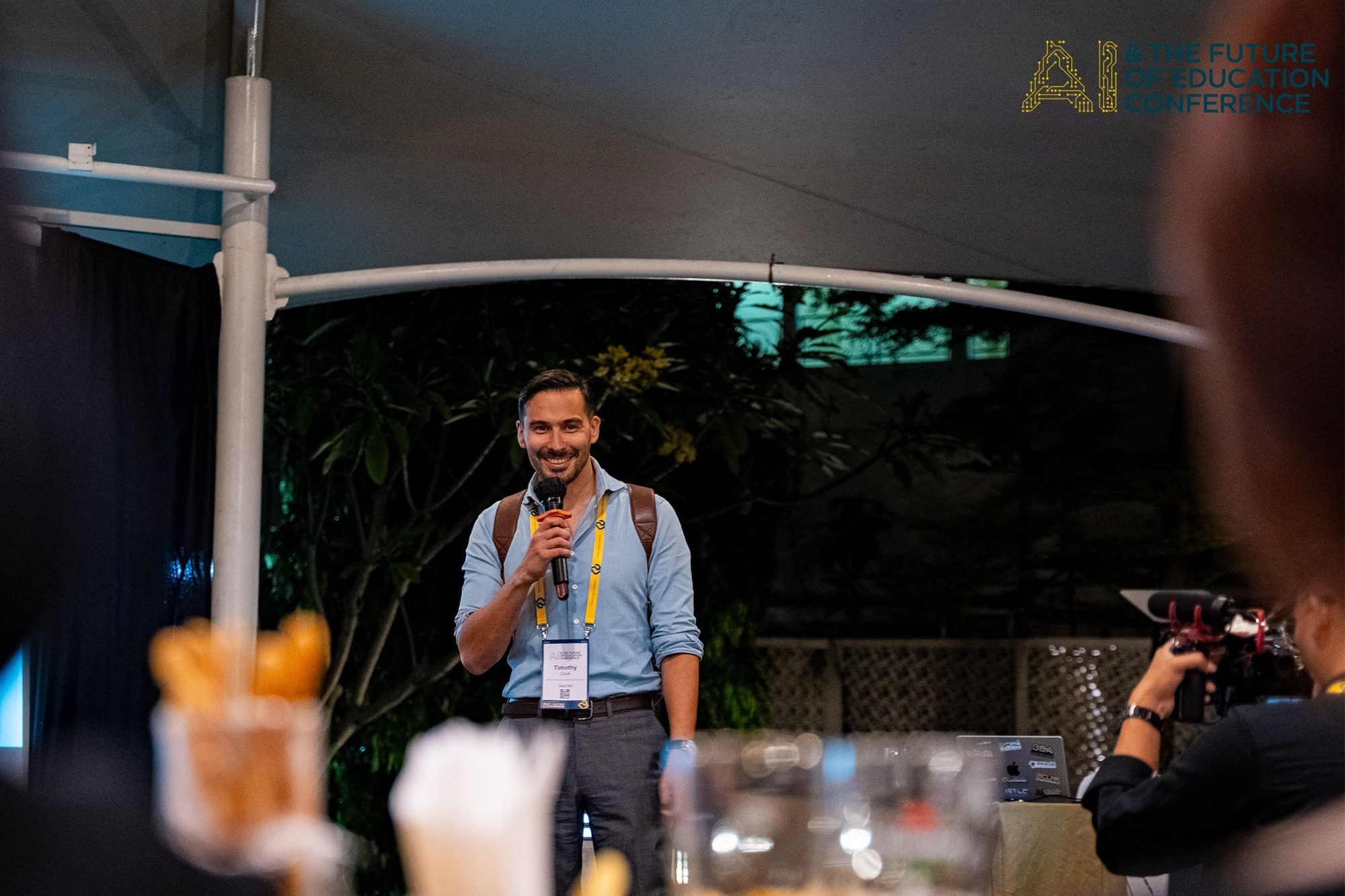
Speaking
Keynotes, sessions and panels
I speak to teachers, parents, school boards and policy audiences about what AI does to minds that are still forming: the difference between atrophy and cognitive foreclosure, what a score hides while the tool is in the room, and what schools have to protect while the capacities are still being built. In person or online, as a keynote, a conference session, faculty development or a panel.
Recording and transcript hosted by Children and Screens. A speaking reel is in production.
Adults Lose Skills to AI. Children Never Build Them.
When an adult leans on AI and a skill fades, the skill was built once and can be rebuilt. When a child hands over a capacity before it has formed, nothing fades, because nothing was there yet. That is the difference between atrophy and foreclosure, and schools have trouble seeing it: while the tool is present, assessment reads the child and the tool as one unit, so scores can rise while the capacity beneath them fails to form. Read the column.
For teachers, school leaders and parents
The Water Got Clearer
Before you put a boat in the water on the Great Lakes, you scrape the zebra mussels off the hull. The zebra mussel filters so much better than the native mussel that it grows over it and takes its place, and for a while the water gets clearer. A developing mind has native processes too: struggle, confusion, getting a problem wrong three times before getting it right. AI is a very efficient filter. This talk follows what it grows over. Read the argument.
For conference audiences, whole staffs and parents
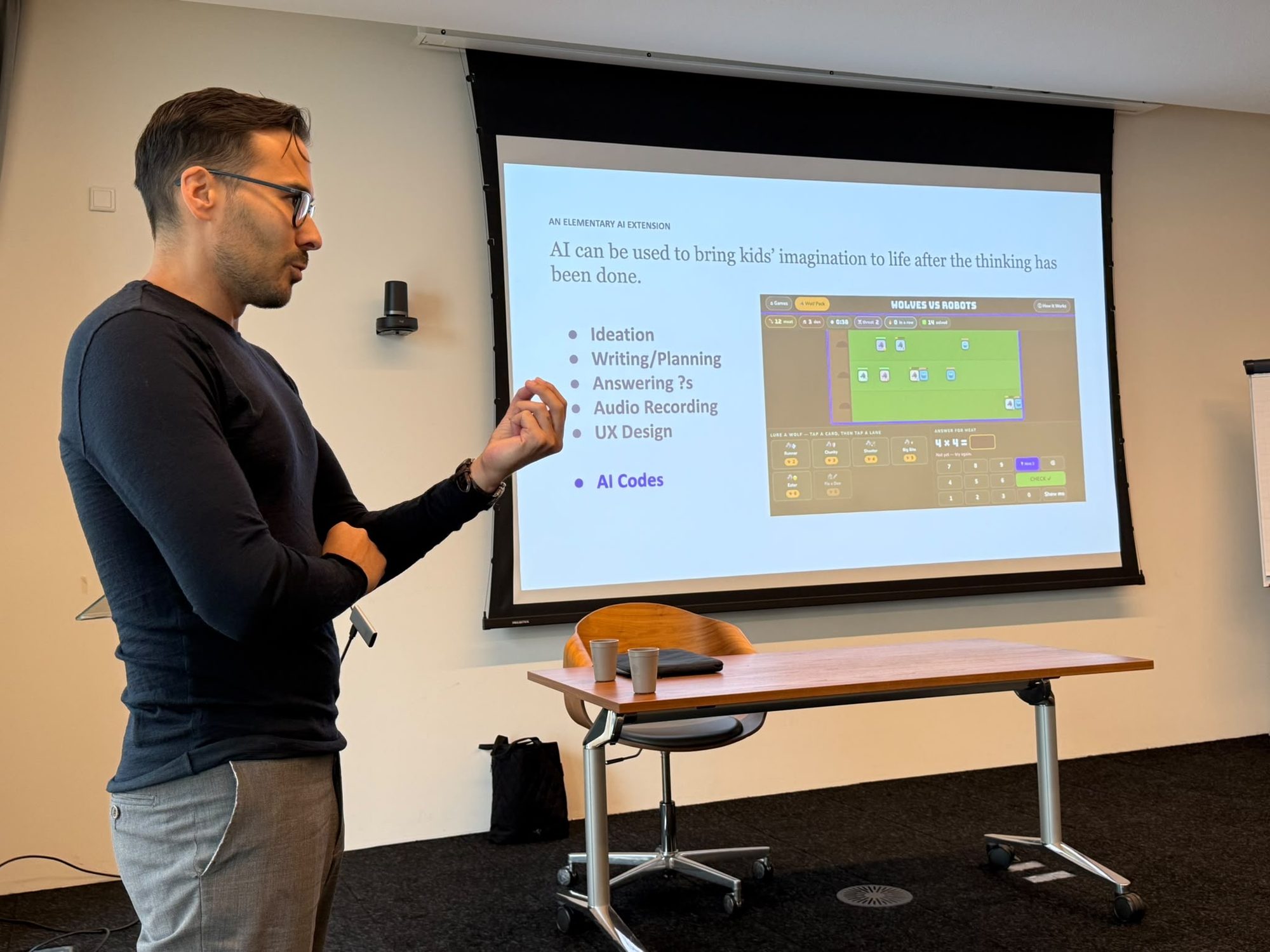
AI's Impact on Primary Education
What happens to an elementary research task when a search engine answers it before the child reads anything. Where AI belongs in a primary classroom: after the thinking has been done, bringing a child's own idea to life. And what employers now rate as core skills, which turn out to be the ones built earliest. Capability first, then the tool.
For primary teachers, principals and school boards
Before the Window Closes
The developmental standard Bassem Nasir and I set out for education policy. It replaces a question nobody can answer, whether schools should deploy AI, with one that can be answered: what must be demonstrably in place before AI enters a child's developmental window? Where protection cannot be shown, the answer is no, and the burden of showing it sits with the system deploying, not with the child. Read the brief.
For ministries, school boards, heads of school and policy audiences
Where I have spoken
- NewTechKids and the Amsterdam Public Library, AI's Impact on Primary Education, for school boards, principals and teachersOct 2026
- Coaching Ethics Forum, AI Ethics at the Systems Level, with Alexis Halkovic, Jazz Rasool and Elizabeth WongSep 2026
- Children and Screens, Raising Independent Thinkers in the Age of AI, with Naomi Baron, Victor Lee and Punya MishraAug 2026
- Council on Strategic Risks, The AI Debates, Did an LLM Write This?Apr 2026
- Council of Independent Colleges, AI Ready webinarFeb 2026
- Pennsylvania School Boards Association, AI in Education: The Implementation EraDec 2025
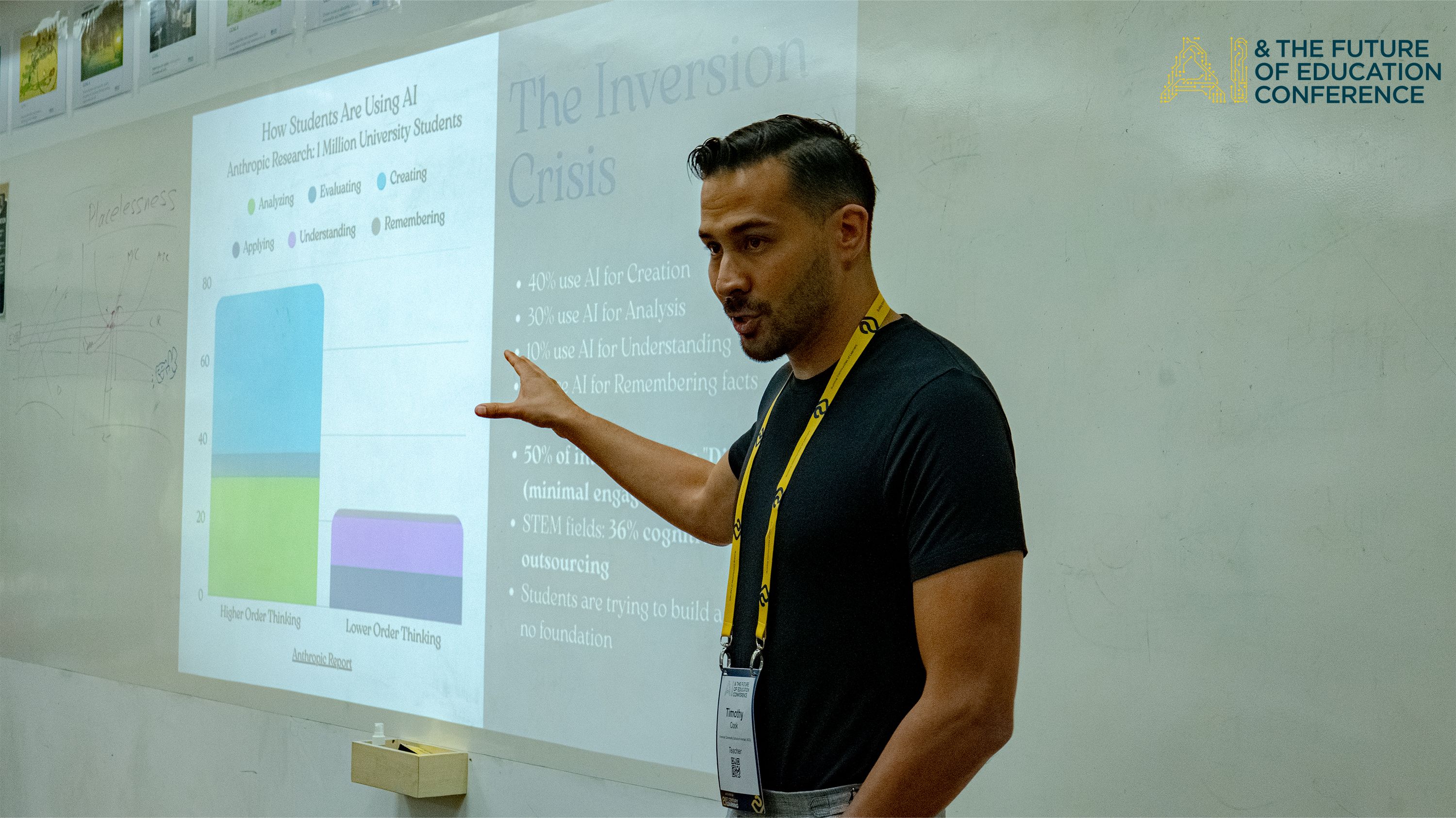
- AI & the Future of Education Conference (21st Century Learning), Jakarta, How Creative AI Dialogue Can Restore Critical Thinking, a think-tank workshopNov 2025
Next · Conference MC
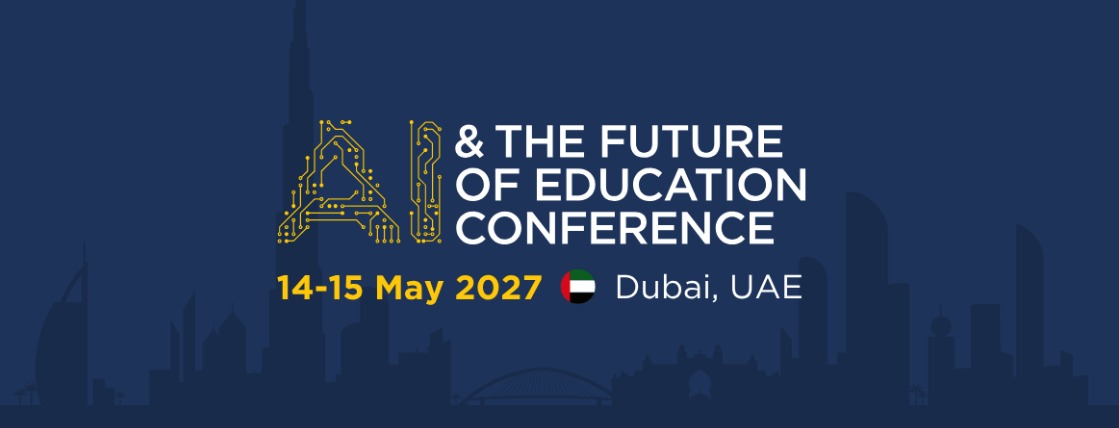
AI & the Future of Education, Dubai, 14 and 15 May 2027
21st Century Learning brings its fifth AIFE conference to The American School of Dubai: two days for K-12 teachers and school leaders on teaching and assessment with AI, ethics and equity, AI literacy, and what research and real-world implementations are showing. The keynote is Lee Crockett's The Human Factor: Judgement, Agency & Purpose. I will be hosting the conference.
Details and registration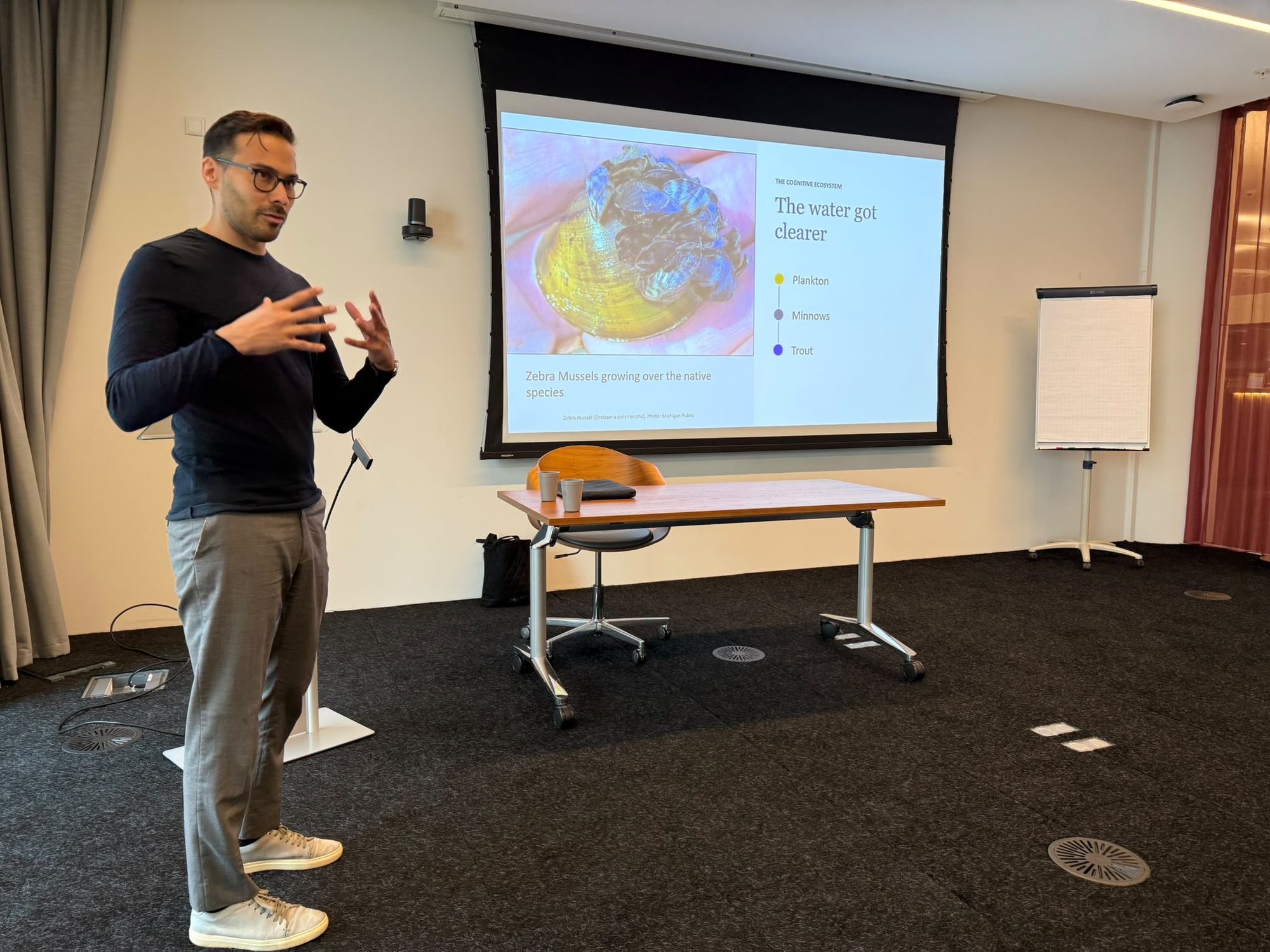
Advisory
Adoption and governance
Which systems to bring in, on what terms, and what to do about the ones already running. Built around your situation rather than a packaged audit, by a practicing educator who is responsible for children every day. The underlying method is published as the Cognitive Privacy Impact Assessment.
Timothy Cook is an experienced international educator, thoughtful cognitive researcher, and increasingly important voice on how education should respond to AI, particularly where human judgment, cognitive privacy, and the healthy development of children are at stake. He has an unusual ability to translate those ideas into practice, whether through frameworks for educators or thoughtfully designed AI-powered tools that support rather than supplant human thinking. A keen observer of human behavior and a clear communicator, Tim makes complex psychological, developmental, and epistemological ideas widely accessible without losing their nuance.
Timothy Cook became a thought leader for me back when my think tank requested he participate in an online panel about the impact of AI on cognition. Tim offered cutting-edge insights none of us, including the online audience of 80 scholars and practitioners, had heard before. For example, Tim noted that while AI spurring cognitive atrophy is a problem, there is an equally pressing concern about AI impeding the initial development of critical thinking among students, resulting in cognitive foreclosure. I continue to turn to Tim for analysis and policy ideas.
Who else is asking this, and has worked with me
Workshops
Built around your staff
Every workshop is designed for the room it is going into. Send me the assignments your teachers give, the tool the school is weighing or the question the staff room keeps circling, and the session is built from that. Working sessions, not lectures: participants talk for most of the time, work on their own material, and leave with one thing to try the following week. In person or online, for a department, a whole staff or a conference room; half a day or a full day.
One example · Jakarta, November 2025
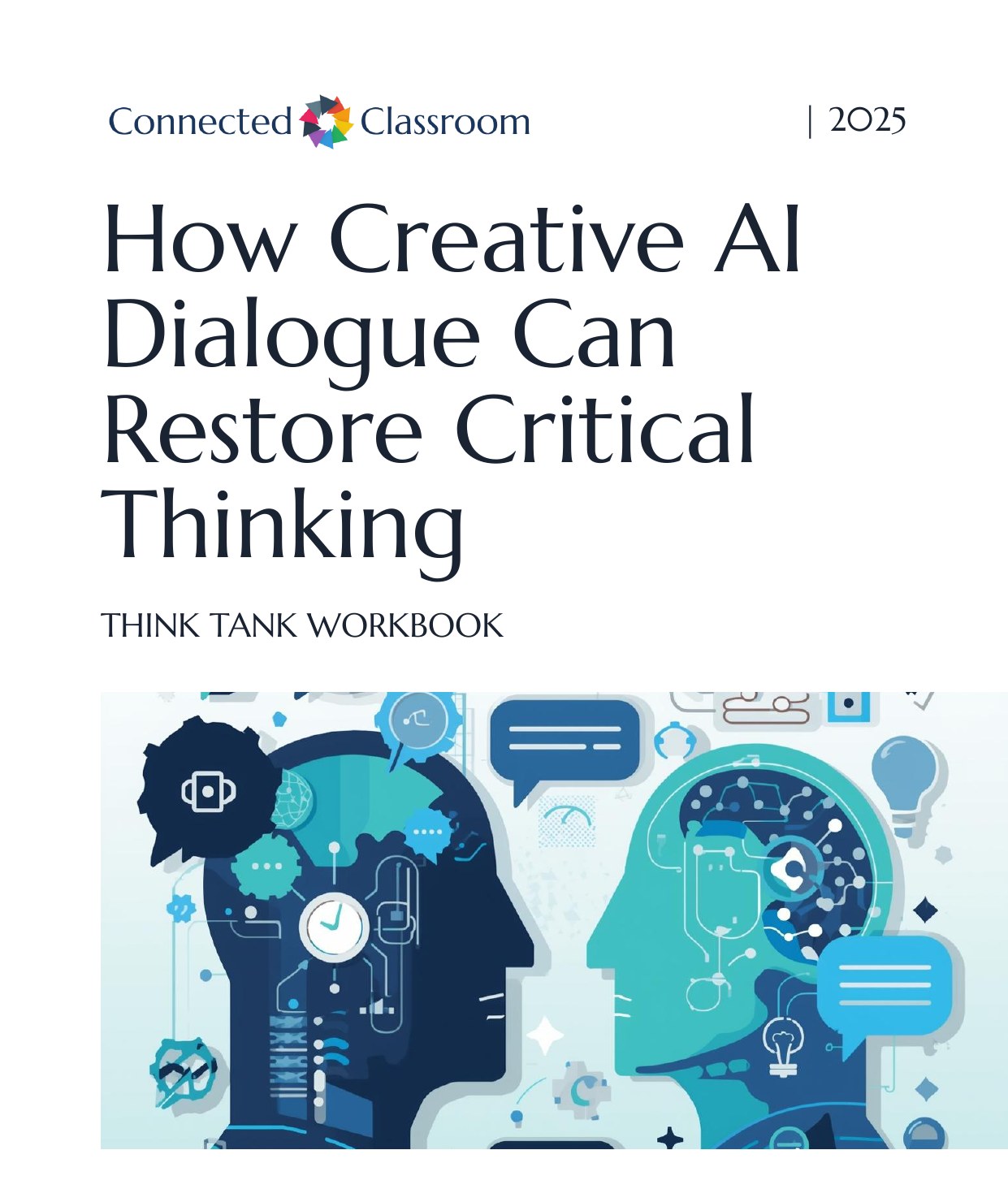
How Creative AI Dialogue Can Restore Critical Thinking
A think-tank workshop for the AI & the Future of Education conference, built on the Dialogic Learning Model. What the session contained:
- Norms first. Participants talk for seventy percent of the time. Silence is thinking time.
- Two essays from the same prompt and the same model, printed and on the table. One took sixty seconds with no dialogue. One took twelve minutes of dialogue. See, think, wonder: what does the second one tell you about the writer that the first cannot?
- Ten questions that surface what only the teacher in the room knows, and the request that produced them.
- Each teacher runs the dialogue on an assignment of their own and reads what comes back against the generic version.
- A commitment to test one dialogic approach, with one assignment, the following week.
The same approach has run as whole-staff K-12 professional development, department sessions and conference workshops; hundreds of educators have been through it. Yours starts from your assignments, your tools and your staff's questions.
Hear my thinking
How I think about it
An hour of conversation says more about fit than a page of services. Listen before you write.
For event organizers
Bio, photos and logistics
Short bio · 45 words
Timothy Cook, M.Ed., is an elementary teacher in Amman, Jordan, who has taught for fourteen years in five countries. He writes The Algorithmic Mind for Psychology Today (400,000 readers), directs The Cognitive Privacy Project, and is the author of Built to Think (MIT Press, 2027).
Medium bio · 79 words
Timothy Cook, M.Ed., is an elementary teacher in Amman, Jordan, and has taught for fourteen years in five countries. His work asks what AI does to human thinking, and especially to minds that are still forming. He writes The Algorithmic Mind for Psychology Today (400,000 readers), directs The Cognitive Privacy Project, and founded Connected Classroom. His book, Built to Think, is forthcoming from MIT Press in 2027. He has worked with or presented to over 3,000 educators and parents.
- Based inAmman, Jordan. In person across the Middle East, Europe and Asia; online anywhere.
- FormatsKeynote, conference session, panel, faculty development, parent evening, half-day or full-day workshop.
- Emailtimothycook@connectedclassroom.org
Tell me what you are deciding
The most useful first message describes the decision in front of you. Is there a tool someone wants to adopt, a policy that needs writing, a staff that needs support, a conference slot that is exploring AI and cognition?
I reply to everything. If it is not a fit, I will say so.
Compensation is based on the value of the engagement and the resources of your institution.
Write to me