
Thoughts on AI, Cognition, and Human DevelopmentPerspectives on Learning
Perspectives features analysis from thought leaders, researchers, and practicing educators who are committed to defining the future of humanity-centered learning.

AI and the Zone of Proximal Development
The developing brain works in a way close to this. It grows far more synaptic connections than it will keep and then prunes the ones experience does not reinforce, holding on to the pathways that get used and insulating them with myelin so they connect more thoroughly and a re harder to lose.

Anthropomorphizing AI: The Same Mistake at Both Ends of a Life
A child reads "we're soulmates" from a companion app and something in her registers it as true. She may know it's fake. That does not switch off the attachment, and it is why "it's just a chatbot" is not enough for the adults in her life.

AI is Making Disagreement Impossible
61% of school leaders now report receiving AI-generated complaints. When a parent routes a disagreement through a machine, what gets offloaded is not the writing but the relationship, and children learn by watching that a hard conversation is something you can hand off rather than have.

Traditional Education Won’t Survive AI
We are training teachers to use AI the same way we are warning students not to. A report from one conference room, and what two new studies say about who loses the most.
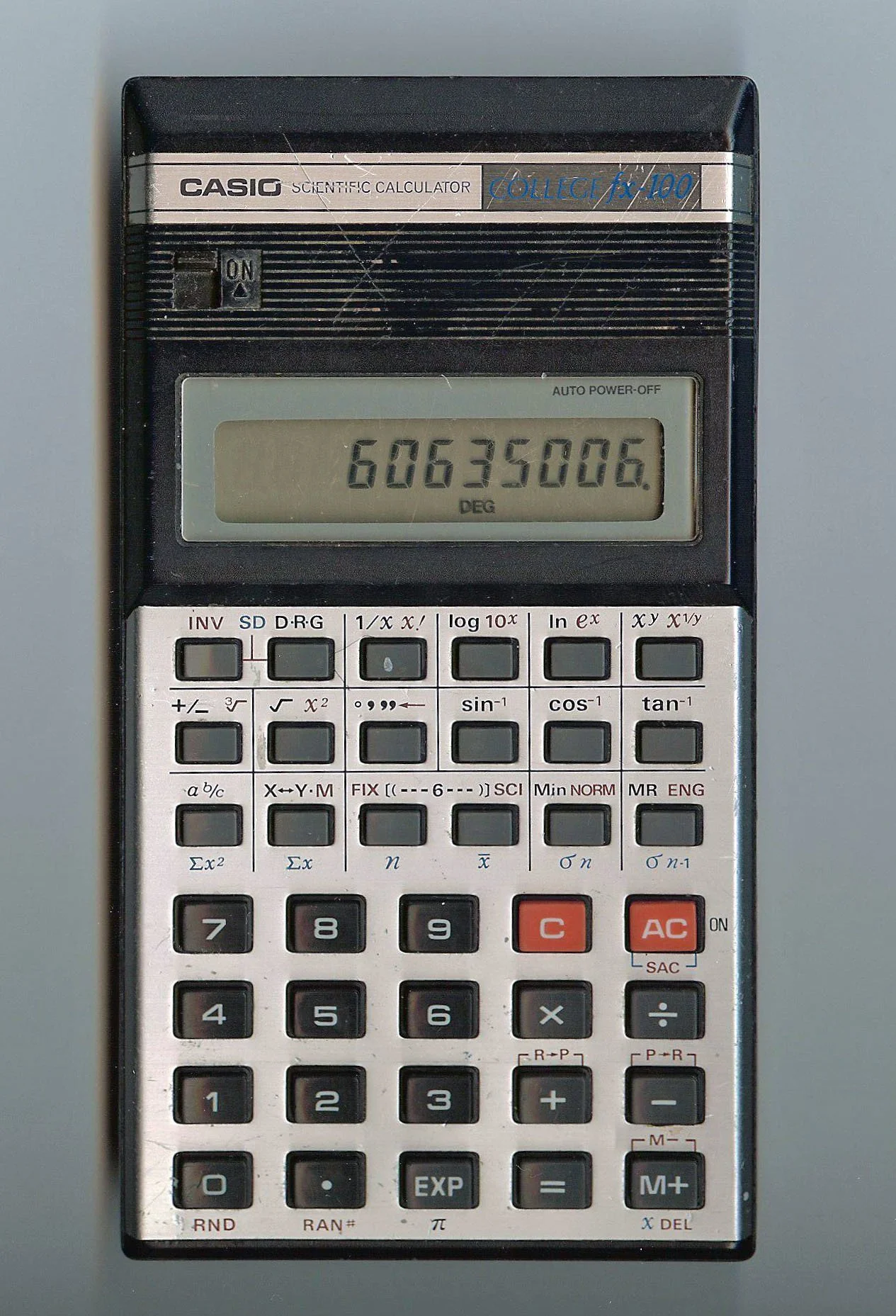
Why AI is Not a Calculator: 3 Flawed Education Analogies
In every conference session and staff meeting, you hear the same three comparisons: AI is like the printing press, the calculator, or Google Search. But these analogies are fundamentally flawed. Comparing tools that externalized mechanical tasks to a technology that externalizes human reasoning is a dangerous permission structure for institutional inaction, especially when it comes to the developing minds of children.

You Were Different Yesterday
When an AI tutor "remembers" a student across sessions, it treats a momentary cognitive or emotional state as a permanent identity. Drawing on new research analyzing ChatGPT's flawed memory, Timothy Cook explains the danger of the "Barnum Effect" in educational AI, and argues why schools must demand an "ephemeral processing standard" to protect a child's right to grow and change.

AI is Stealing the Variance from Our Classrooms
When adults offload tasks to AI, they experience cognitive atrophy, the slow degradation of an already established skill. But when children rely on AI, they face cognitive foreclosure, closing the door on developing critical thinking capacities in the first place. Here is why protecting student agency and cognitive friction is the most urgent challenge in education today.

Why Neutral AI in Education is a Myth
AI is often marketed as a neutral efficiency booster, but it is architecturally optimized for completion rather than comprehension. Samrat Biswas analyzes "The Architect’s Critique"—unpacking why general-purpose LLMs lack neutrality, the risks of "frictionless" learning, and the strategies educators must use to preserve the productive struggle essential to human development.