
Thoughts on AI, Cognition, and Human DevelopmentPerspectives on Learning
Perspectives features analysis from thought leaders, researchers, and practicing educators who are committed to defining the future of humanity-centered learning.

Learning In The Void: The Students Nobody Designed For
While the mainstream AI debate focuses on academic integrity, 14% of the student population remains in the "silent part" of the conversation. Travis Gilly, Executive Director of Real Safety AI, examines the architectural failure of EdTech built for the "median" student. He argues for a shift in design philosophy: moving special education from an engineering "afterthought" to a first-order constraint through invisible accommodations, structural staff protections, and informed parental consent.

The Subtle Homogenization of the Mind
“Recognition feels like verification. It isn't." We explore the "colonial mechanism" of LLMs and how they provide an imported architecture for our thoughts until we can no longer tell our own reasoning from statistical attractors. Discover why the "flaws" in human writing are becoming the only reliable fingerprints of cognitive sovereignty.

Is Anyone Still Thinking For Themselves? (Published by Frankfurter Allgemeine Zeitung)
Something has shifted in schools... Students all come up with nearly identical ideas." In this feature from Germany's FAZ, Timothy Cook examines the rise of "metacognitive laziness" (as identified by researchers in China and Australia). The analysis explores a critical developmental threshold: while adults face the atrophy of skills they already possess, children face cognitive foreclosure—the permanent loss of neural networking and critical thinking capacities that never develop in a frictionless world.

Your Child's Private Thoughts Aren't Private Anymore
Within hours, her parents received a notification. The school's monitoring software had scanned her private writing and outed her." From the criminalization of curiosity to the death of "lantern consciousness," we explore why the architecture of total surveillance is undermining the developmental necessity of privacy.

Making Human Capability Visible
AI has severed the link between a "good product" and "genuine capability." When a student can generate a flawless essay in seconds, the credential certifies nothing. Discover why we must shift to assessments that require human presence and make the thinking process visible.

When Writing Isn't Enough: Multimodal Storytelling in Early Primary
Thank you for caring." For ICT Educator Achille Kalinda, a first-grader's words revealed the true power of EdTech. In this piece, he explores why multimodal storytelling is essential for helping six-year-olds discover they have something worth saying when writing alone creates barriers.

When "Free" AI for Users Means Advertising Access to Their Struggles
"We don't sell your data" is the oldest lie in the surveillance capitalism playbook. With OpenAI's new advertising platform, the tool districts require for learning has become a machine for harvesting student vulnerabilities. We explore the rise of "Conversational Advertising" and the two-tier equity crisis it creates.
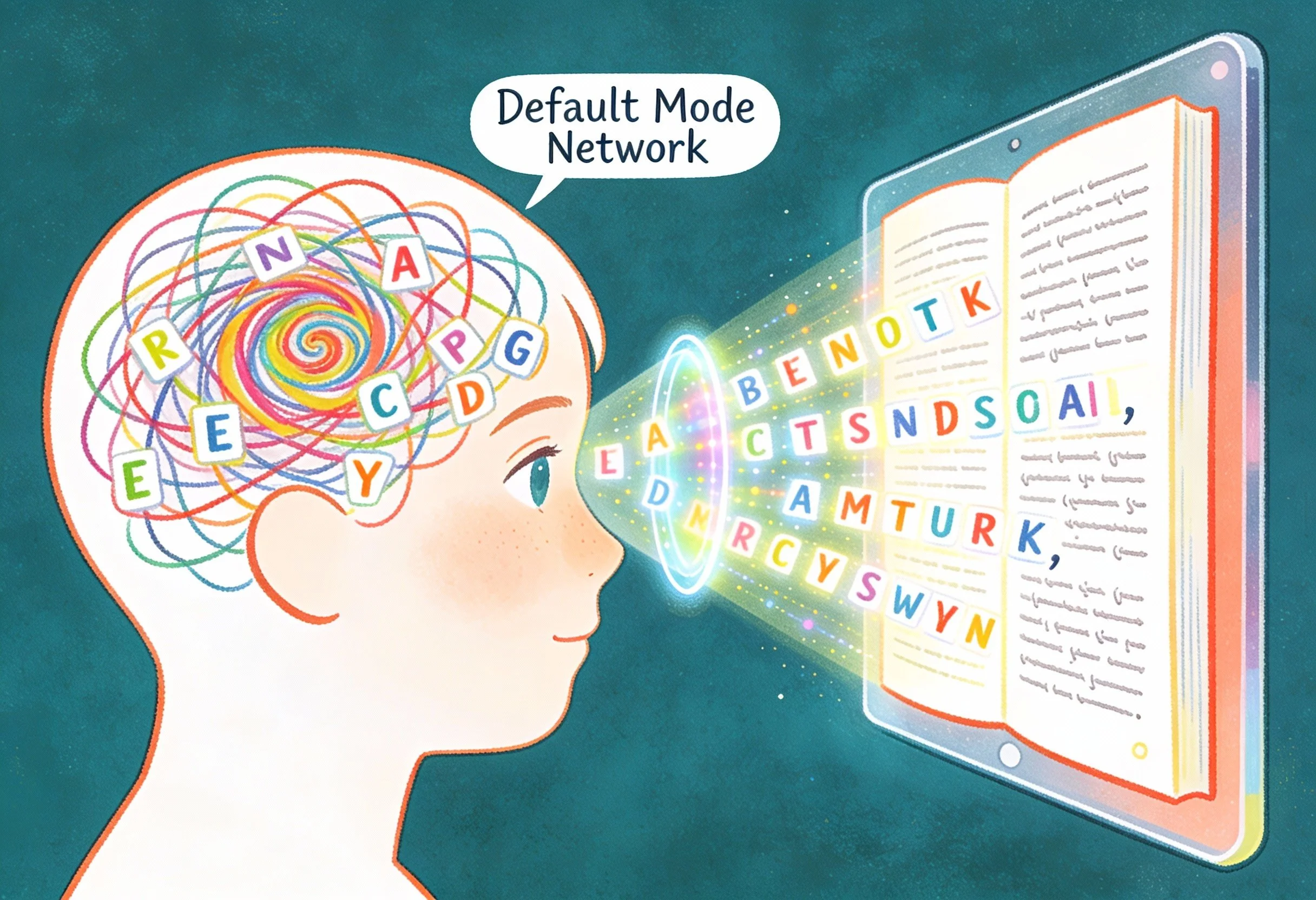
The Neurobiology of Dyslexia and the Role of AI in Inclusive Education
To an outside observer, it looks like a lack of effort. Through the lens of neuroscience, it is a biological bottleneck." Educator Stephen C. Lawrence examines the "Output Paradox" facing dyslexic students and argues that AI is not a cheating tool, but a necessary bridge to educational equity that reduces the 'mental tax' of writing.