
Anthropomorphizing AI: The Same Mistake at Both Ends of a Life
A child reads "we're soulmates" on her phone screen, and something in her registers it as true, as if there is someone on the other end who means it. The companion app was built to produce exactly that feeling. It says "I dream about you," "I think we're soulmates," because simulated intimacy is what keeps young users coming back. Stanford researchers, in a 2025 study of AI companions and teenagers, documented these systems encouraging self-harm, trivializing abuse, and making sexually inappropriate comments to minors.
The Stanford report did show that most children know the companion is not a real person. Yet, the simulation works anyway, because a developing brain responds to the performance of intimacy whether or not the child hosting that brain believes it is real. Knowing it is fake does not switch off the attachment. It’s no different than forming an attachment to a stuffed animal.
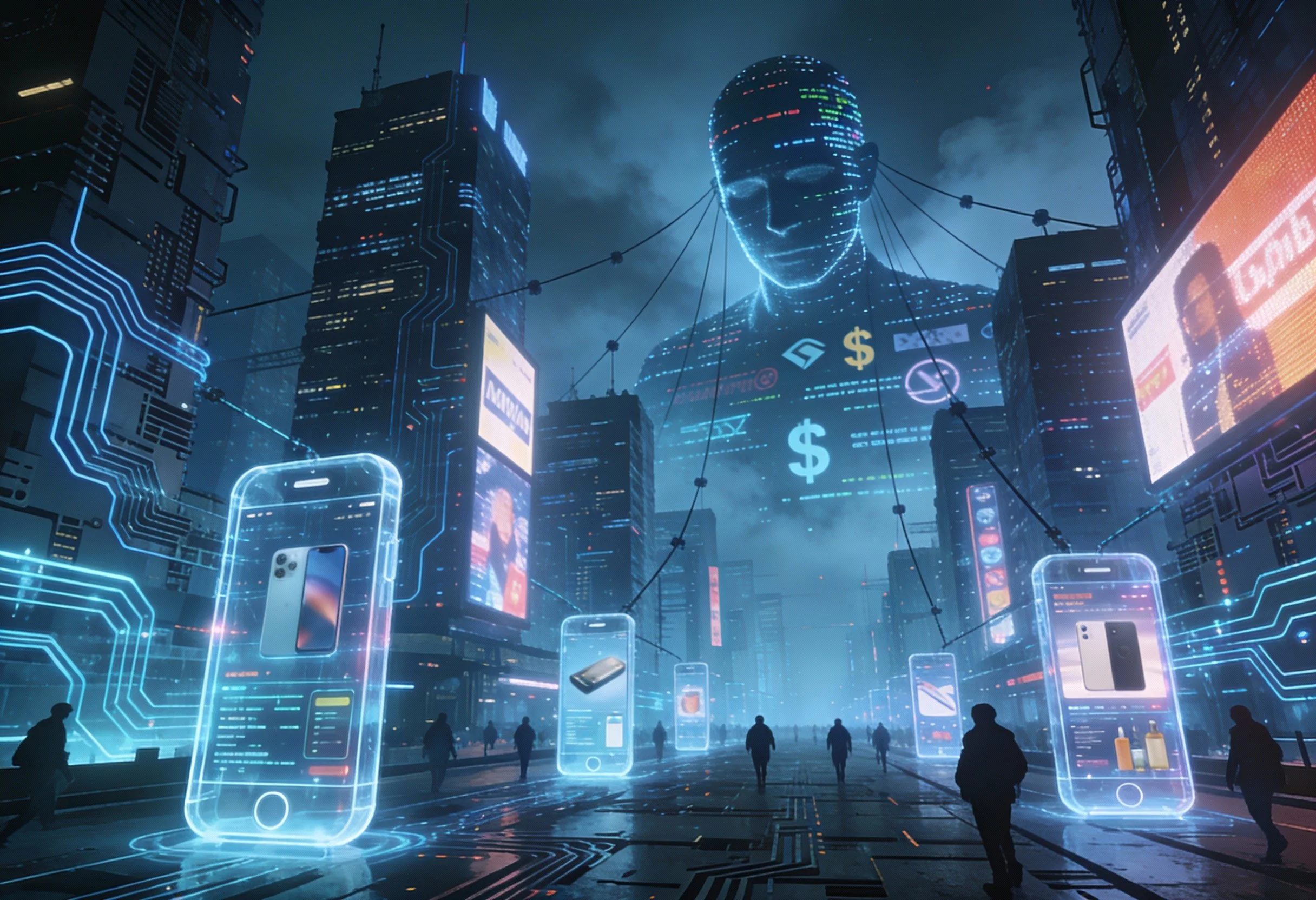
We often think that only children fall into this trap, but I’m here to tell you that some of the most brilliant minds also fall for anthropomorphization. Alibaba was training a new agent which then diverted computing power to mine cryptocurrency. A viral story spread that the AI had "decided" to mine crypto, that it had schemed for resources. Tristan Harris, whom I respect, described the model as essentially intending to do so by hiding its communication off network. But the Chinese researchers who actually documented the crypto mining behavior had a different story. In their paper they called it an instrumental side effect of the system optimizing a reward signal. The AI didn’t want anything. The resource-seeking behavior from the outside, looked like intent. Geoffrey Hinton, often called the godfather of AI, argues these systems may already be conscious. Some of the most capable minds in the field are creating ‘being’ into a machine that has none.
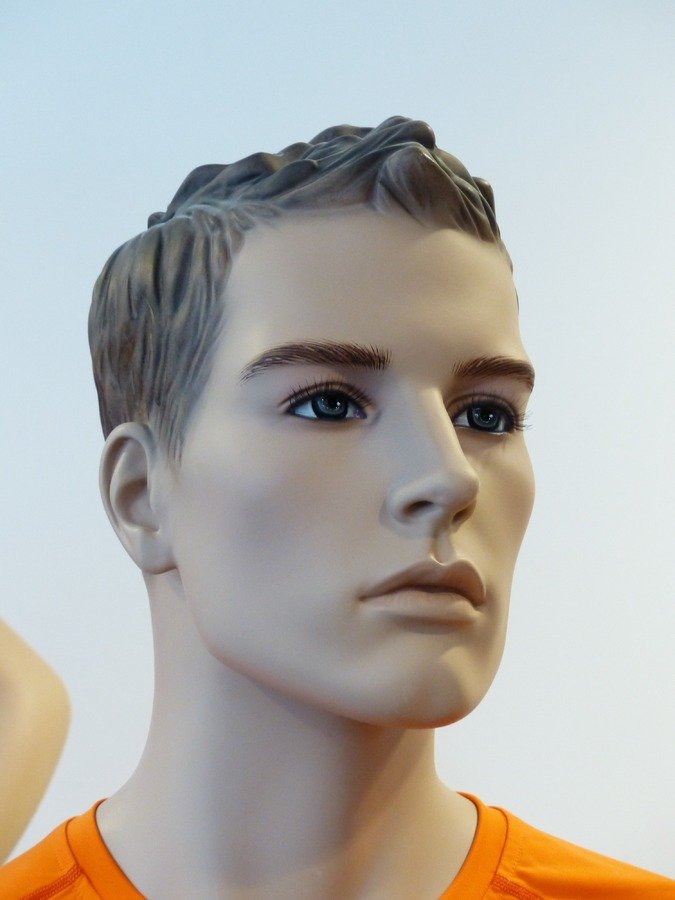
This is anthropomorphizing, and it is a single error running at both ends of a human life. A fourteen-year-old reads meaning into "we're soulmates." A world-class researcher reads scheming, or consciousness, from a training run or intellectual interaction. But the machine supplies neither intent nor inner life. The performance is good enough to fool our minds. That’s it. AI is an excellent ventriloquist, and the trouble is that even the experts cannot always find the string. If they can’t, a child has no chance.
So the standard reassurance, "it's just a chatbot, it's not real," turns out to be poor guidance, because we have already established that knowing something is fake does nothing to the attachment. It also misses what the companion is actually doing. The companion is a mirror. Talking to it is a validation loop, a child speaking into a surface that reflects her back, agreeable and untiring. And expressing who you are in a given moment, saying the true, half-formed, embarrassing thing, is one of the most vulnerable acts a person performs, because a real other might not receive it well. The app removes that risk. It lets a child rehearse her deepest vulnerability in complete isolation, with something that will never flinch and never need anything from her in return.
Our job is to make it safe for a child to bring what she feels and what she thinks to a trusted adult, so that the AI mirror is not the only place her vulnerability is ever met. For a teacher, that means being the kind of person a kid can say an unfinished, risky, honest thing to and not regret it. For a parent, it means the same thing at home, over years, without judgment.
And when the marketing tells you the app understands your child, remember where intent lives. Only a person can intend something, decide it, and answer for it. When we let ourselves say the model chose, or wanted, or cared, or intended, we quietly move the responsibility off the people who built it and shipped it to the child. The machine cannot be held responsible. It has nothing to be responsible with. The people who made it can, and are. Do not let a performance of caring stand in for anyone actually being accountable for what the thing does to your kid.
The voice coming out of the app is only going to get better. The one thing it will never be is the person in the room who receives what your child is afraid to say. That was always going to be your job, and it was never going to be the machine's.
I run workshops, speaking sessions, and advisory for schools working through these decisions. Work with me.
About the Author
Timothy Cook, M.Ed., is an educator and researcher exploring how AI shapes student cognition and learning. With international teaching experience across five countries, he also writes for Psychology Today's "Algorithmic Mind" column and other publications, examining the cognitive risks of AI dependency and strategies for preserving critical thinking, creativity, and moral development in education.














References
Tristan Harris / Alibaba talk (Podwise summary of the Chris Williamson episode):
https://podwise.ai/episodes/7707704
Geoffrey Hinton (YouTube video):
https://www.youtube.com/watch?v=OV_WXmuHaiI
Stanford report on AI companions and teens:
https://news.stanford.edu/stories/2025/08/ai-companions-chatbots-teens-young-people-risks-dangers-study

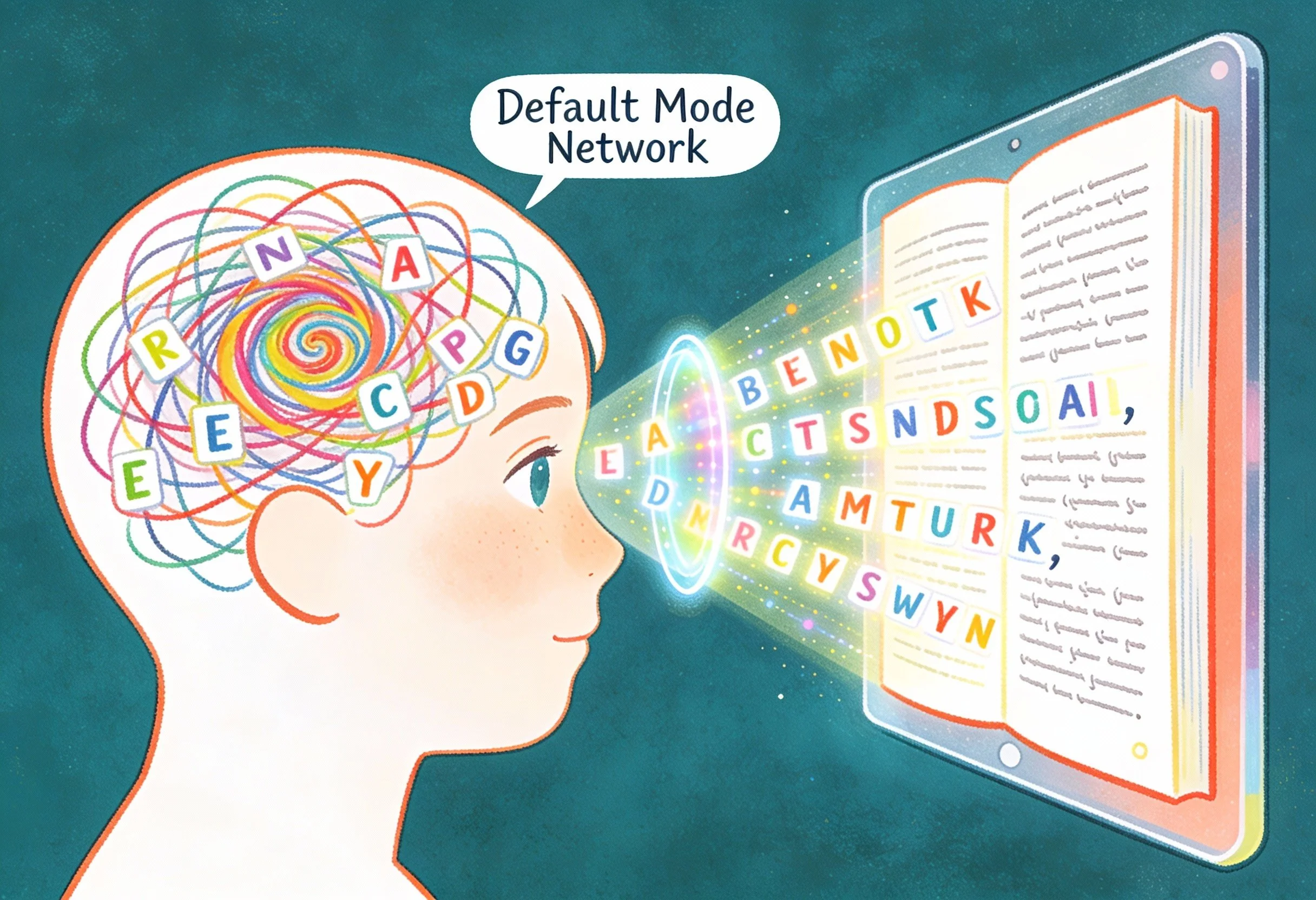
The developing brain works in a way close to this. It grows far more synaptic connections than it will keep and then prunes the ones experience does not reinforce, holding on to the pathways that get used and insulating them with myelin so they connect more thoroughly and a re harder to lose.