
AI and the Zone of Proximal Development
The edtech promise goes something like this. A student without a tutor at home, without a parent who can explain the algebra, without a school small enough to notice her, with different interest then her classmates, now has a patient expert available at any hour. Additionally, the distance between her and the student who always had those things starts to close. According to Sal Khan, AI is more equitable.
Part of this holds up. Studies of AI at work have found the biggest gains among the least experienced employees. Those studies measured output from adults whose minds were already built, though, and a fifteen-year-old is in a different position, because her mind is being built on what she spends her days doing.
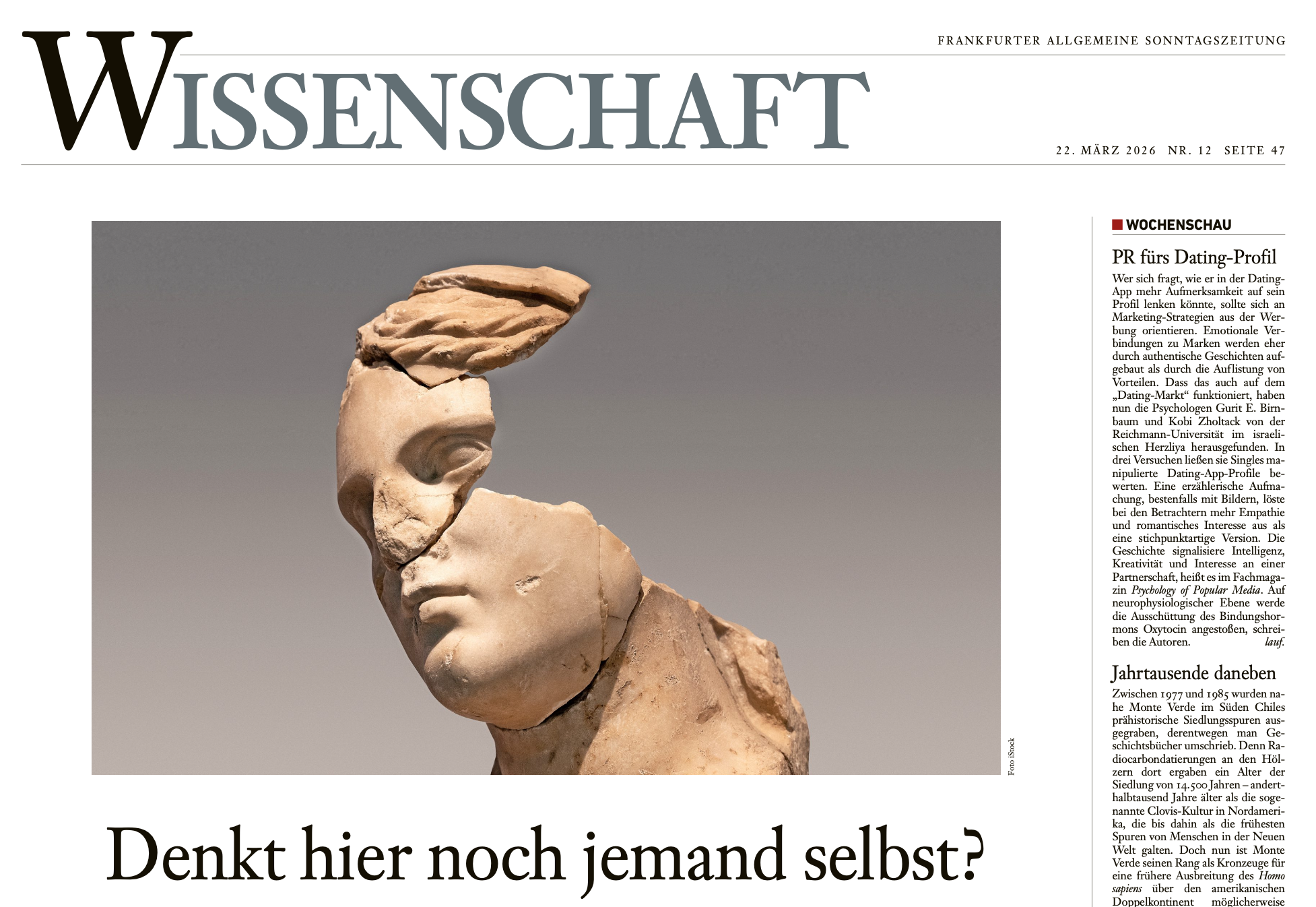
The clearest analogy I have for that is a block of stone. A sculptor starts with far more material than the statue needs, and the work is removal, strike after strike, until what remains is the figure. The developing brain works in a way close to this. It grows far more synaptic connections than it will keep and then prunes the ones experience does not reinforce, holding on to the pathways that get used and insulating them with myelin so they connect more thoroughly and a re harder to lose. The comparison doesn’t work in one area. A sculptor works from a plan, but the brain has none. The chisel is whatever the child practices.
Use it or Lose it - An animated film by Timothy Cook
Early childhood is the first and largest round of carving. For a child who grows up with rich language, steady attention, and adults who respond to her, those years rough out the form. For a child who grows up in chaos, neglect, or schooling too thin to ask much of her, the chisel is still working, since pruning keeps its own schedule, but it shapes her to the world she was given, and much of what could have emerged stays inside the block. Adolescence reopens that opportunity. UNICEF calls it a second window of opportunity, and the prefrontal circuitry behind planning, holding a goal, and stopping an impulse keeps developing into the mid-twenties, still pruning, still deciding what to keep based on what gets used. Executive function that the first window left thin can still be carved during this window.
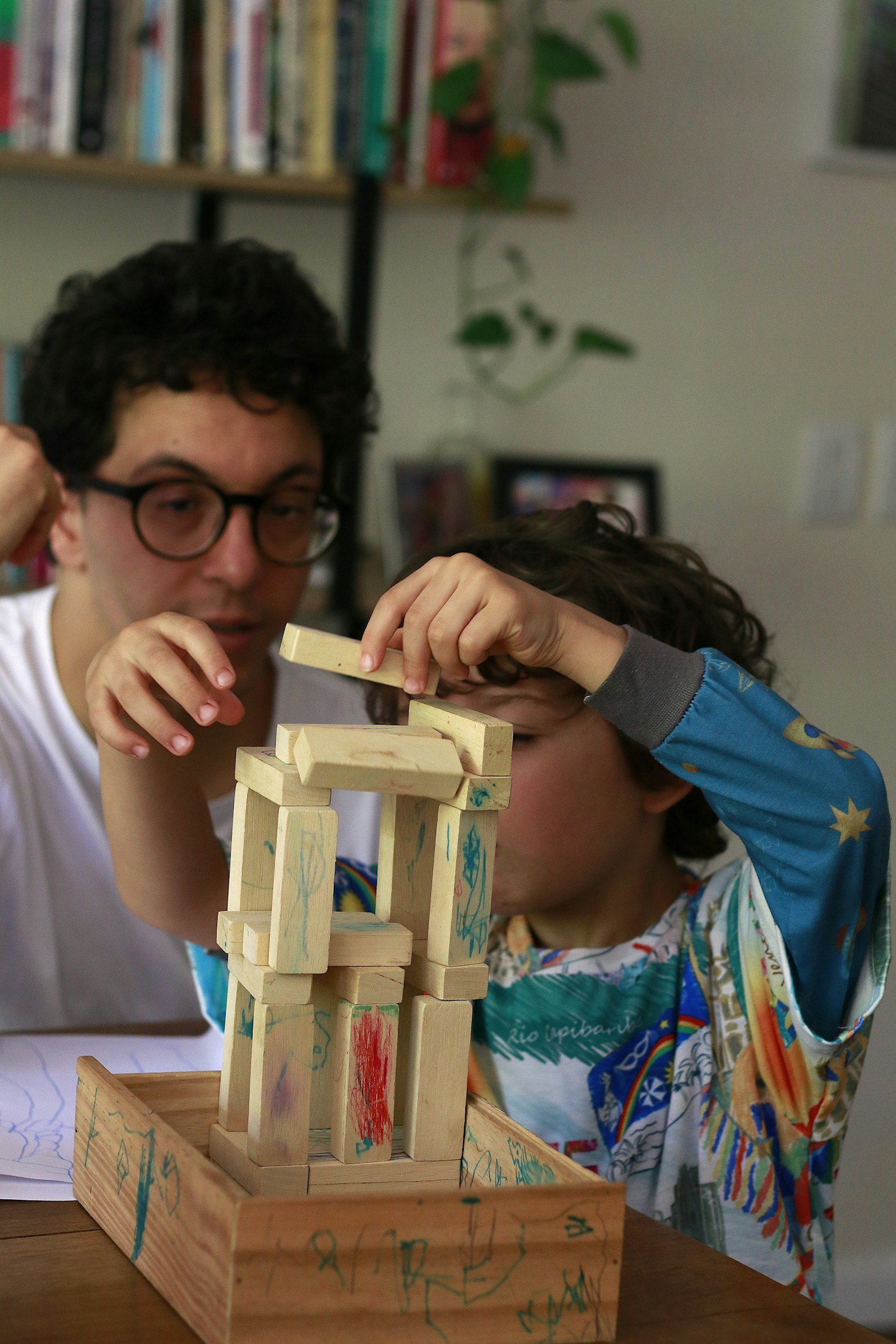
How that happens is the part of the equalizer pitch that Khan leaves out. Diamond and Ling's review of executive-function interventions concluded that the gains hold where practice is sustained and embedded in real demands, which means the student has to do the planning, the weighing, and the stopping himself, again and again, at a difficulty just past what he can manage alone. Basically, he has to do something. Vygotsky called that band the zone of proximal development, the distance between what a learner can do by himself and what he can do with a more capable person beside him. A good teacher works this zone by keeping the task hard enough to need the student's effort and supported enough that the effort pays off, then withdrawing the support as the student takes on more of the load, so that every strike on the stone is still comes from the child.
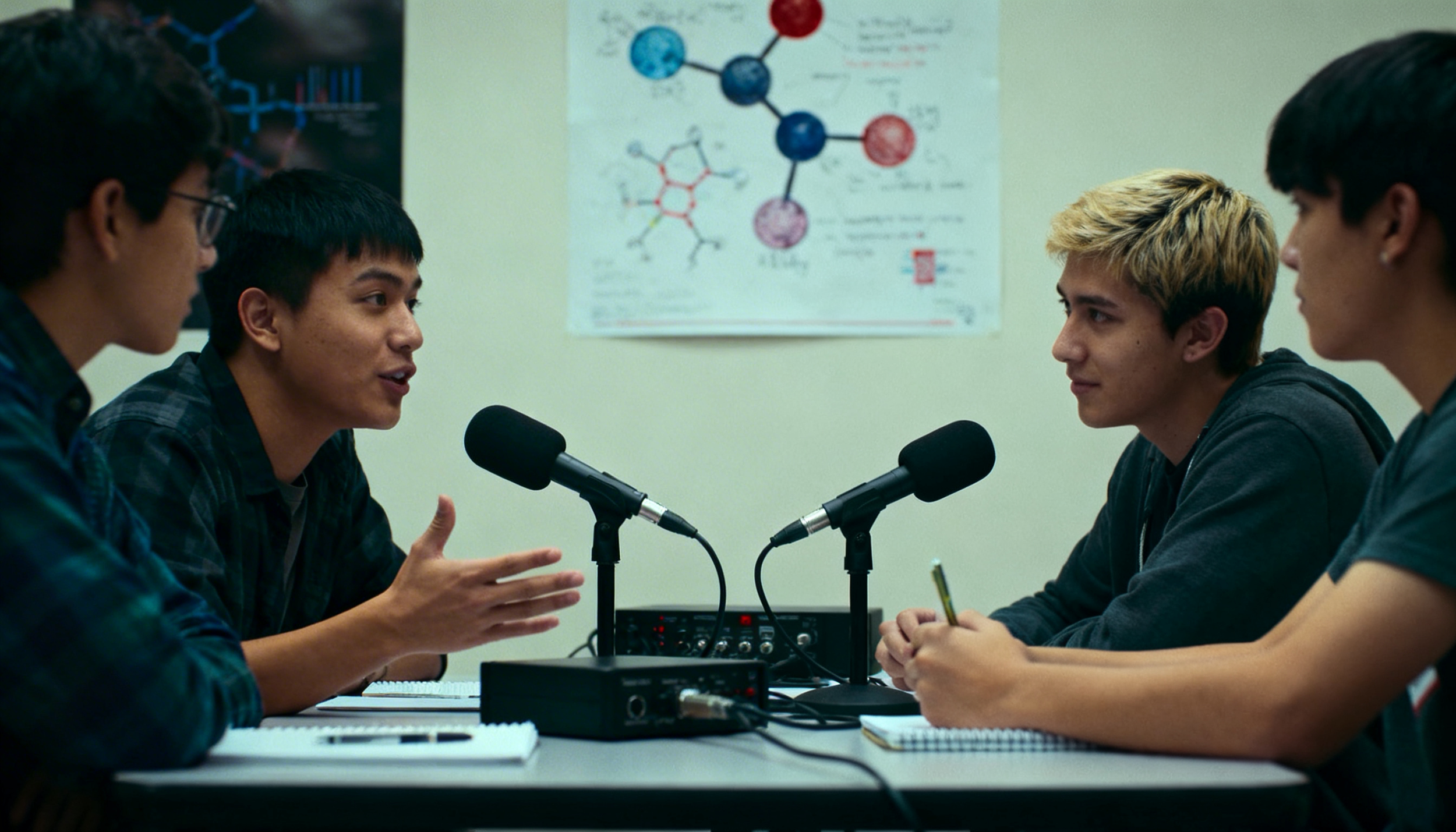
I've talked through these ideas on several podcasts. Listen to the conversations.
An AI tool can sit in the same zone and do something very different there. Asked for help, a general-purpose chatbot tends to return the finished reasoning, and the student who receives it has a completed task and has done none of the carving. Bastani and colleagues tested this with nearly a thousand high school math students. Those given open access to GPT-4 did much better on practice problems while they had it, and once it was taken away they did worse than students who never had access at all. A second version, built with safeguards meant to protect learning, largely removed that harm. The design decided the outcome.
Now put the two students from the first window side by side in the second, with the same tool. For the student whose early years roughed out the form, AI in adolescence mostly lands as efficiency. She already has the planning habits to organize a project, so the tool saves her an hour, and she already checks her own reasoning, so the tool gives her one more thing to check. She probably loses something as well, since her window is open too and whatever she stops practicing gets pruned, but the figure is standing. For the student whose early years left the form in the stone, adolescence is the repair, and the repair runs on the exact practice the tool removes. If the students who start with the least gain the most from sustained practice, they also stand to lose the most when that practice is handed to a machine. The meta-analysis did not study AI, and that second step is my extension of it, but it follows from the finding, since what those students lose is the gain the practice would have produced.
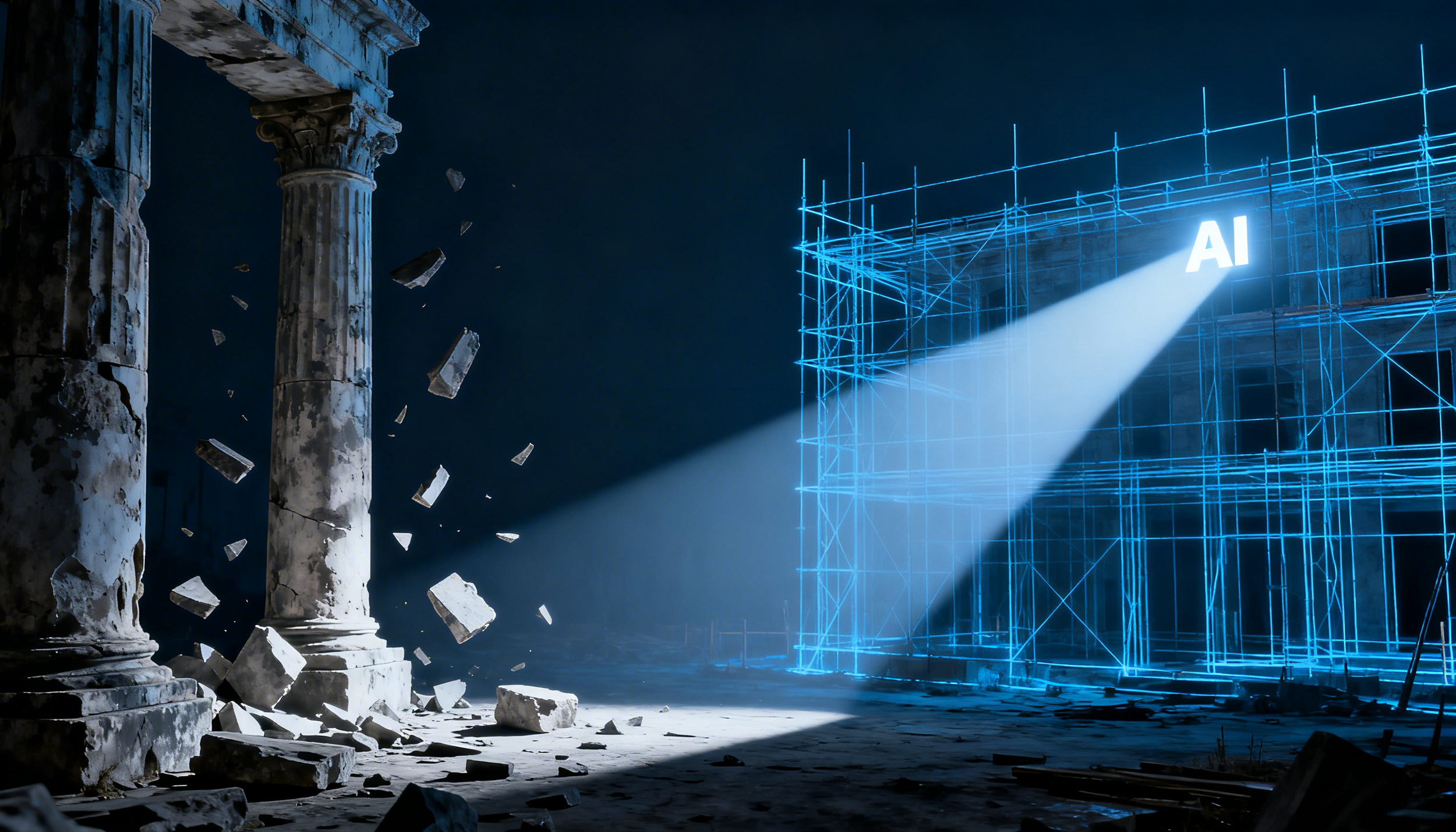
On the page, the gap closes. Both students hand in competent work, and anyone measuring output will report that AI narrowed the distance between them. The difference lives in the stone, and the stone is what each of them carries out of school. By the mid-twenties the window closes, and Bassem and my paper argue it is the last one. The student who started ahead gave up a sliver. The student who started behind spent the only repair period she was going to get mediated by AI, and the disadvantage the tool was sold to erase has now been permanetely carved in.
None of this makes the tool the enemy. The same model, set up to keep the student doing the work, left the learning largely intact. For a teacher, the practical version is modest: use AI in ways that keep the struggle with the student, check now and then what she can do without it, and watch most closely the students who arrived with the least.
I run workshops, speaking sessions, and advisory for schools working through these decisions. Work with me.
Schools that take equity seriously tend to measure it by access: who has the device, the license, the tutor, the time. The second window asks for a different measure, which is what each student can do on her own when those years are over. By the first measure, AI may well turn out to be the equalizer it was promised to be. By the second, it depends on whether the work of those years was still hers.










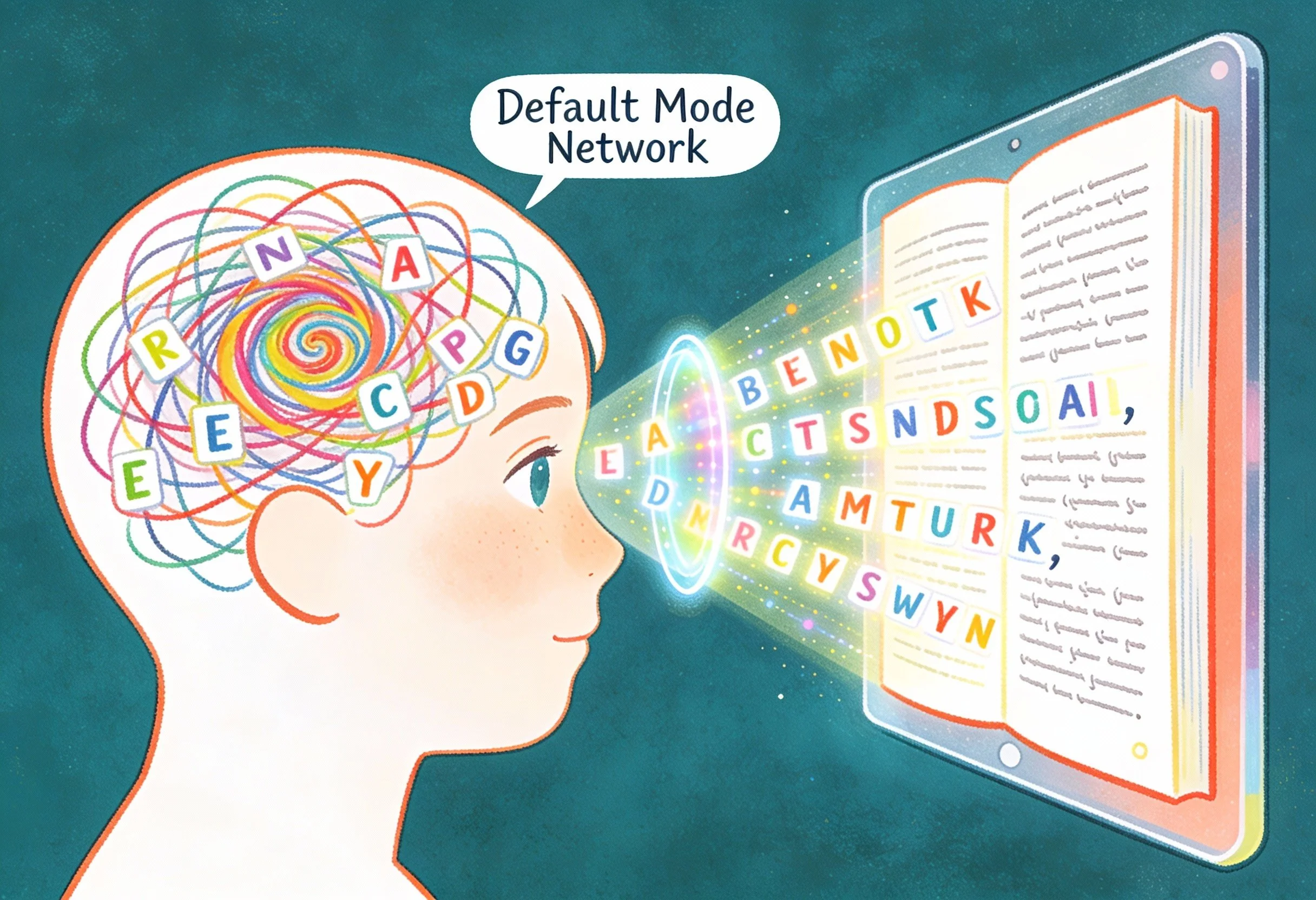




The developing brain works in a way close to this. It grows far more synaptic connections than it will keep and then prunes the ones experience does not reinforce, holding on to the pathways that get used and insulating them with myelin so they connect more thoroughly and a re harder to lose.